
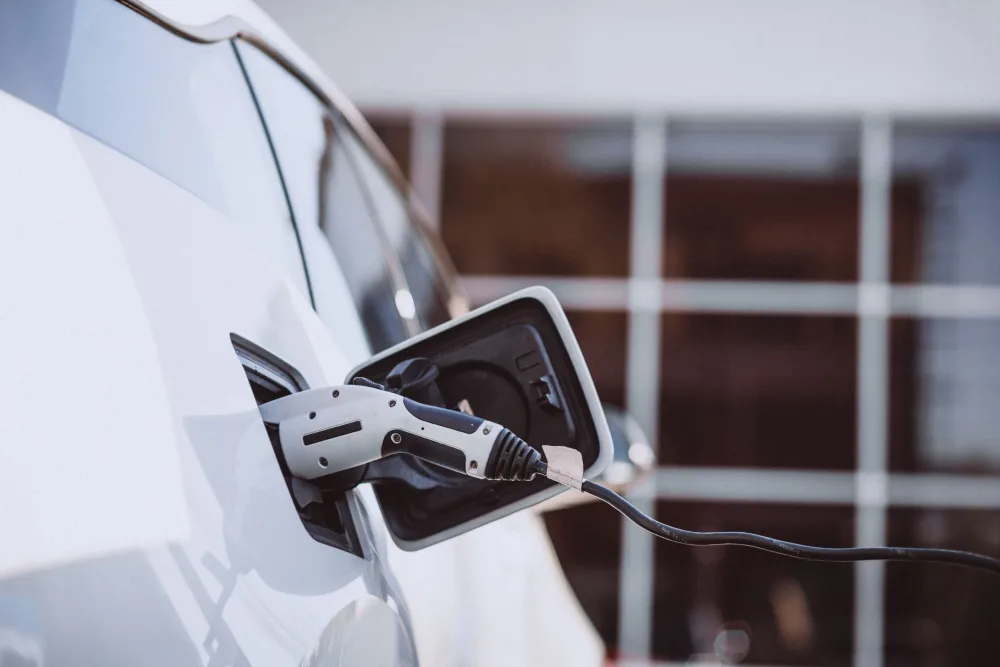
Your residents will find a way to charge. Better it's the safe, managed way.
Reduce risk
Stop extension cords and improvised outlets in the garage — and the insurance exposure that comes with them.
Keep good residents
Avoid silently losing renters and buyers who now drive electric — or plan to.
End the parking debate
A clear plan for where and how owners charge heads off conflict at board meetings.
Choose the right partner for your charging amenity.
| Own & self-manage | Own + EZ EV manages | |
|---|---|---|
| Charging equipment | Purchased and owned by the property | Purchased and owned by the property |
| Planning & equipment choice | Research it yourself | Site review & guidance |
| Billing drivers | Your staff, or a software contract | In the EZ EV app |
| Electricity cost | On the community's bill, hard to recover | Recovered through driver fees; revenue paid out |
| Problems & repairs | Your staff fields every complaint | EZ EV triages and coordinates |
| Driver support | Calls to your office | 24/7 EZ EV help desk |
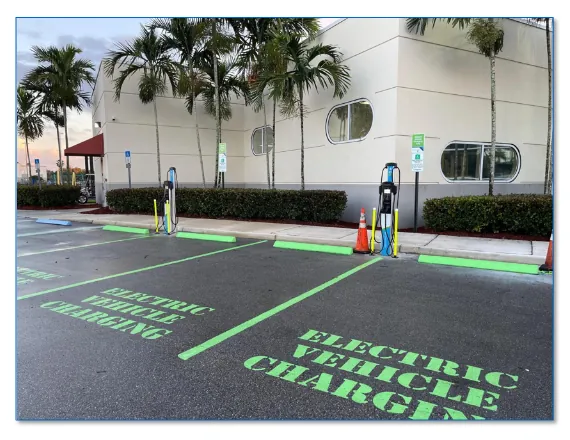
What your community gets.
Your property buys and owns the chargers. We add on-site training for your team and a plan to add stations as more residents go electric.
Boards and managers already charging with EZ EV.
Highland Park of Dunwoody
“Our BOD was at a standstill on how to provide EV charging access to each owner. We didn't know where to start.”
JoAnn Haynes
Silver Lake Apartments
“Your communication with us was terrific the whole way through the process. We are just starting to see the residents using the equipment.”
Jessica Ruello
Vista Property Group
“Your team really knows how to keep residents happy! The app is so easy to use.”
Jim Anders
Questions your board will ask.
Share these with your board or owner before your next meeting.
Can a condo association install EV chargers?
Yes. In Florida, a condo board may install and operate EV chargers on the common elements and set what drivers pay, without a membership vote for material alteration. Here is how it works.
Who pays for electricity for condo EV chargers?
It depends on who owns the charger. Owner-installed chargers are separately metered and paid by the owner; shared association chargers are paid by the drivers who use them through per-session billing.
EV charging billing software for HOAs and condos
What EV charging billing software should do for an HOA or condo: driver payments, per-kWh pricing, automatic payouts, board reporting and 24/7 driver support. Plus questions to ask vendors.
How to bill residents for EV charging
The main ways to bill residents for EV charging, per kWh, per hour, per session or a flat fee, with pros and cons, plus the setup that keeps it fair and hands-off for managers.
The risks of owner-installed EV chargers in Florida condos
Owner-installed EV chargers create insurance gaps, liability exposure and electrical capacity problems for Florida condo associations. What the law allows, where the risks are, and a safer alternative.
Unapproved EV chargers in your condo garage: how boards resolve them
An owner installed an EV charger without approval and neighbors are upset. Best practices for Florida condo boards: safety first, a fair path to compliance, fair billing and a long-term electrical plan.
How to stop cars from blocking shared EV chargers
Cars left in shared EV charging spaces after they finish charging are a top complaint in condos and HOAs. How idle fees keep chargers available, and how EZ EV Energy handles them.
How much does it cost to install EV chargers at a condo or apartment building?
What drives the cost of Level 2 EV charging at Florida condos, HOAs and apartments, published per-port ranges, ongoing costs, and how to get a real number for your property.
Does your building have enough electrical capacity for EV chargers?
How Florida condo boards, HOAs and property managers can tell whether their building can support EV charging, what load management does, and when an electrical upgrade is really needed.
Are there rebates or incentives for EV charging at Florida condos and apartments?
What funding exists for EV charging at Florida condos, HOAs and apartments: the end of the federal 30C credit, Florida utility programs, and how to check what your property qualifies for.
What should a condo or HOA EV charging policy include?
A checklist for Florida condo and HOA boards writing an EV charging policy: shared chargers, pricing, idle fees, owner-installed chargers, safety, insurance and enforcement.
Can EV chargers make money for a condo association or HOA?
How shared EV charging can cover its costs and return revenue to a Florida condo, HOA or apartment community: what goes into the math, what to ask a provider, and realistic expectations.
Ready to bring EV charging to your community?
Book a free site assessment with an EZ EV site consultant.